
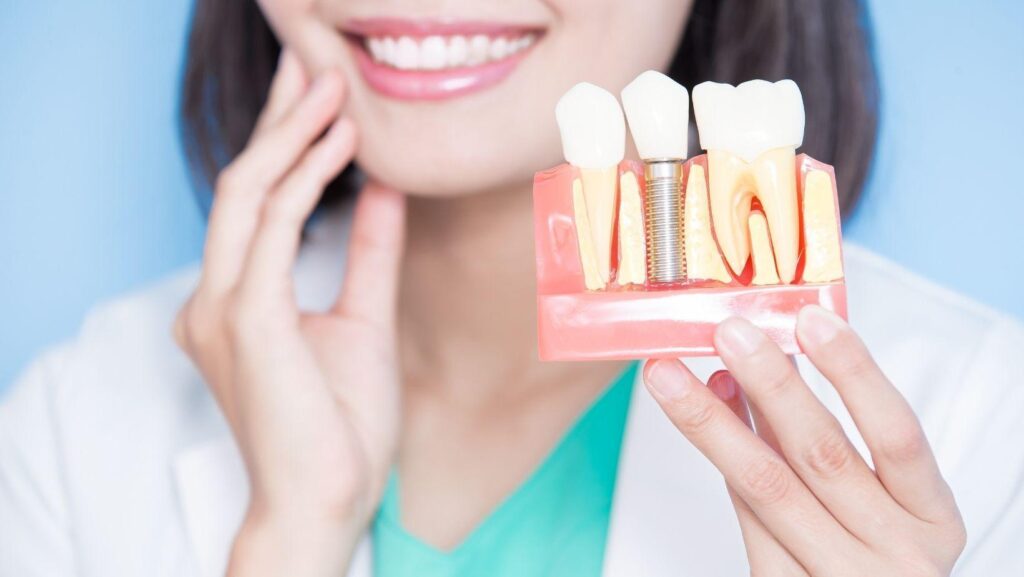
Losing a tooth changes more than your smile. Depending on where the gap is, it can affect how you chew, how clearly you speak and how comfortable you feel when eating or smiling. The good news is that there are several ways to replace missing teeth.
Dentures, bridges and dental implants all aim to restore missing teeth, but they work in very different ways. Someone researching dental implants Oakleigh may discover that implants can provide a fixed replacement supported within the jaw, while bridges generally rely on neighbouring teeth and traditional dentures are removable.
There isn’t one option that’s automatically right for everyone. Your remaining teeth, gums, jawbone, general health, number of missing teeth, preferences and budget can all influence what a dentist recommends.
What Are Dentures?
Dentures are removable appliances designed to replace missing teeth.
A full denture can replace all the teeth in an upper or lower arch, while a partial denture replaces several missing teeth when some natural teeth remain.
One of the biggest differences between traditional dentures and the other options is that you can remove them yourself.
That can make cleaning straightforward, although dentures also require regular care. They should be cleaned according to professional instructions, and your mouth and any remaining natural teeth still need good daily oral hygiene.
Dentures may take some getting used to. Eating and speaking can initially feel different, and the fit can change over time as the mouth and supporting tissues change.
How Does a Dental Bridge Work?
A bridge does exactly what its name suggests: it bridges the space created by one or more missing teeth.
A conventional bridge generally uses teeth on either side of the gap for support. Those supporting teeth are prepared for crowns, with the artificial replacement tooth or teeth connected between them.
Unlike a traditional removable denture, the bridge stays in your mouth.
That can make it feel more like part of your natural teeth, but it also means cleaning requires a slightly different approach. Food and plaque can collect around and underneath the bridge, so your dentist may recommend floss threaders, interdental brushes or other cleaning tools.
The health of the supporting teeth is particularly important because they help hold the restoration in place.
What Is a Dental Implant?
A dental implant replaces the missing tooth in a different way.
The implant itself is typically a titanium fixture placed into the jawbone. After appropriate healing, it can support a dental crown or form part of a larger restoration replacing multiple teeth.
This means an implant doesn’t usually depend on neighbouring teeth in the same way as a conventional bridge.
However, implant treatment involves surgery and isn’t suitable for every patient.
A dentist needs to assess factors such as your oral health, available bone, medical history and other individual circumstances before determining whether implant treatment is appropriate. Some people may require additional procedures before an implant can be placed.
Which Option Feels Most Like a Natural Tooth?
This question doesn’t have exactly the same answer for everyone.
A well-designed bridge or implant-supported crown is fixed in place, so you don’t remove it for daily cleaning. For many people, that can feel closer to having natural teeth than wearing a removable denture.
Traditional dentures can also function very well, particularly when they’re properly designed and fitted, but they may move differently from natural teeth.
Comfort depends on more than the type of restoration. Fit, bite, oral health and how well you adapt to the replacement all matter.
What About Cleaning and Maintenance?
Every tooth-replacement option needs ongoing care.
Dentures need regular cleaning, while the gums and any remaining teeth also require attention.
Bridges need careful cleaning around the supporting teeth and beneath the replacement tooth.
Implants can’t develop tooth decay themselves, but the tissues around them can still become inflamed or diseased. Good brushing, interdental cleaning and regular professional dental care remain important.
In other words, replacing a tooth doesn’t eliminate the need for oral hygiene.
How Long Does Treatment Take?
Treatment times can vary significantly.
A denture or bridge can sometimes be completed without the healing periods associated with implant surgery, although the exact process depends on the individual case.
Implant treatment commonly takes place in stages. Assessment and planning come first, followed by implant placement where suitable. Healing time may then be required before the final restoration is attached.
Additional procedures, such as bone grafting, can extend the process further.
If treatment time matters to you, ask your dentist what the realistic timeline would be for each suitable option.
What Should You Compare?
Rather than asking which replacement is universally “best”, compare the options in the context of your own needs.
Useful questions include:
- Is the replacement removable or fixed?
- Will healthy neighbouring teeth need treatment?
- Is surgery involved?
- How long will treatment take?
- What daily cleaning will be required?
- What are the upfront and ongoing costs?
- What maintenance might be needed later?
- How could each option affect eating and comfort?
Your dentist can explain the benefits, limitations and risks that apply to your particular situation.
Start With an Assessment, Not a Preferred Treatment
It’s easy to research missing-tooth options online and decide which one sounds best before anyone has examined your mouth.
Try to keep an open mind.
A person with one missing tooth and healthy surrounding structures may have very different options from someone missing several teeth or dealing with gum disease, significant bone loss or heavily restored neighbouring teeth.
Dentures, bridges and implants can all have a place in modern dentistry. The important part is understanding what each option actually involves rather than choosing based on one feature alone.
A proper dental assessment gives you the information needed to compare suitable treatments, ask questions and make a decision based on your health, lifestyle and priorities — not simply which option sounds most appealing on paper.