
When most people think about looking after their teeth, they focus on avoiding cavities and keeping their smile clean. But healthy gums are just as important. They support your teeth, protect the structures underneath and can develop problems that aren’t always painful in the early stages.
The tricky part is that gum problems can be easy to dismiss. A little blood on your toothbrush or occasional bad breath might not seem important, but persistent changes are worth investigating. If you’ve noticed something unusual, arranging an examination with your regular dental professional or a dentist matraville patients can visit can help identify the cause and determine whether treatment is needed.
Paying attention to your gums doesn’t require becoming obsessed with every minor change. It’s about recognising patterns. Here are six signs that deserve a closer look.
1. Your Gums Bleed Regularly
Seeing a small amount of blood after brushing aggressively once isn’t necessarily cause for alarm. Regular bleeding is different.
Gums that frequently bleed when you brush or floss can be a sign of inflammation. Plaque accumulating around the gumline is a common contributor.
One mistake people sometimes make is avoiding the bleeding area because they’re worried brushing will make things worse. Unless your dentist has advised otherwise, maintaining gentle and thorough oral hygiene is generally important.
Use a soft-bristled toothbrush and avoid aggressive scrubbing. If bleeding continues despite good oral hygiene, arrange a dental assessment.
2. Your Gums Look Red or Swollen
Healthy gums generally shouldn’t look persistently swollen or inflamed.
You may notice that the tissue around certain teeth appears puffier than usual, feels tender or has changed colour. Sometimes the change is limited to one small area. In other cases, it affects much of the gumline.
Inflammation can have different causes, so appearance alone isn’t enough to diagnose the problem.
What matters is whether the change persists.
If your gums remain swollen or uncomfortable rather than returning to normal, it’s worth having them examined.
3. Your Gums Appear to Be Receding
Have your teeth started looking longer?
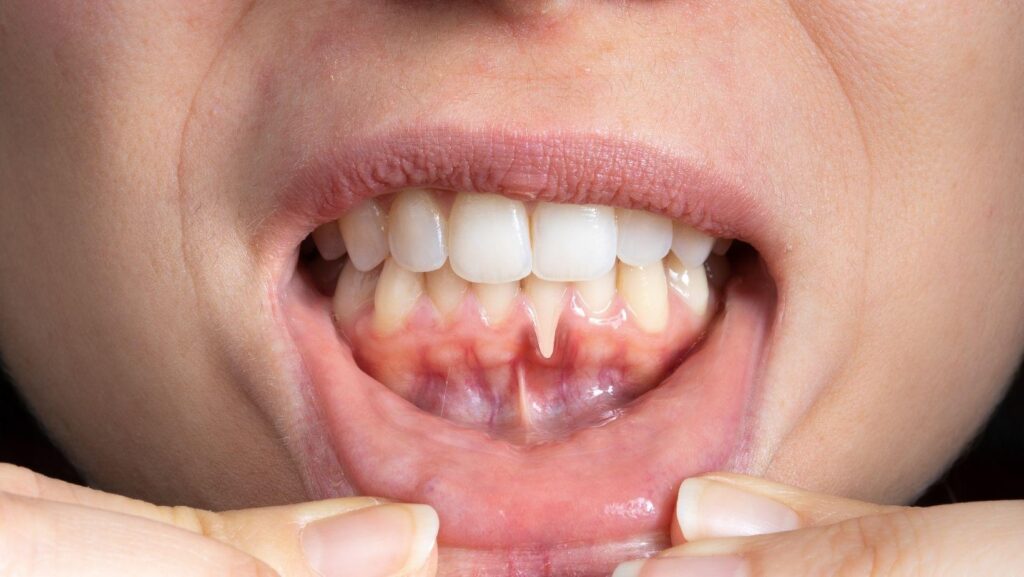
It might not be your imagination. Gum recession occurs when the gum tissue moves away from its previous position around a tooth, exposing more of the tooth or its root.
Recession can occur for several reasons, including gum disease, overly aggressive brushing and other factors.
Exposed tooth roots may also become sensitive, particularly when you consume hot, cold or sweet foods and drinks.
Because lost gum tissue doesn’t simply grow back in the same way as a minor cut heals, identifying the cause early is worthwhile. A dentist can assess the extent of the recession and recommend appropriate management.
4. Bad Breath Keeps Coming Back
Everyone experiences bad breath occasionally.
Strong foods, dehydration and waking up in the morning can all temporarily affect how your breath smells. Persistent bad breath is different.
If brushing, flossing and cleaning your tongue don’t seem to make much difference, bacteria and plaque around the teeth and gums could be contributing.
Bad breath can have causes unrelated to gum health as well, so don’t assume you know the explanation.
Rather than relying indefinitely on mints or mouthwash to cover the smell, consider having the underlying cause investigated.
5. Your Teeth Feel Different or Become Loose
Adult teeth shouldn’t suddenly start moving without a reason.
Advanced gum problems can affect the tissues and bone supporting teeth. You might notice that a tooth feels loose, your bite seems different or small spaces are appearing where there weren’t any before.
Changes like these deserve professional attention.
Other dental problems or injuries can also cause movement, which is another reason not to self-diagnose.
If a permanent tooth suddenly becomes loose following an injury or you experience significant swelling, severe pain or other concerning symptoms, seek prompt dental advice rather than waiting for your next routine check-up.
6. You Have Ongoing Tenderness Around the Gumline
Gum problems aren’t always painful, but persistent tenderness shouldn’t simply become something you learn to live with.
You might notice discomfort while brushing, eating or flossing. Perhaps one particular area hurts whenever pressure is applied.
Temporary irritation can happen, especially if something becomes trapped between the teeth. But if soreness keeps returning or doesn’t improve, there may be an underlying problem requiring attention.
Pay particular attention if tenderness occurs alongside swelling, bleeding, discharge, a bad taste or facial swelling.
What Can You Do for Healthier Gums?
Good gum care is mostly built around consistent everyday habits rather than complicated routines.
Focus on:
- Brushing thoroughly twice a day with fluoride toothpaste
- Cleaning between your teeth regularly
- Using a soft-bristled toothbrush
- Cleaning along the gumline without aggressive scrubbing
- Keeping up with recommended dental examinations and professional cleaning
- Avoiding tobacco products
Your dentist may recommend additional measures based on your individual gum health and risk factors.
It’s also worth remembering that gum disease can sometimes progress without causing significant pain. Feeling fine isn’t necessarily the same as having healthy gums.
That’s why routine dental examinations remain useful even when nothing seems wrong.
Your gums provide clues about what’s happening in your mouth, but you have to notice them. Regular bleeding, swelling, recession, persistent bad breath, loose teeth and ongoing tenderness are all reasons to pay closer attention.
You don’t need to wait until a gum problem becomes painful or starts interfering with everyday life. If something has changed and isn’t returning to normal, getting it checked early can make the next steps much clearer.