

Most people focus on their teeth when thinking about oral health. Cavities, whitening, and straightening often receive the most attention. Yet the condition of your gums can reveal just as much, if not more, about your overall wellbeing.
Gums are highly responsive tissues. When something in your body is out of balance, the gums are often among the first places where warning signs appear. Bleeding, swelling, tenderness, or changes in colour can all indicate underlying issues that go beyond simple brushing habits.
Because gum health is closely linked to general health, many people turn to a dental professional such as an Alexandria dentist or similar practitioner when they begin to notice changes. Dentists are trained to recognise early patterns that may suggest gum disease or other health concerns.
Understanding what your gums may be signalling can help you act early and protect both your oral health and your overall wellbeing.
Bleeding Gums May Signal Inflammation
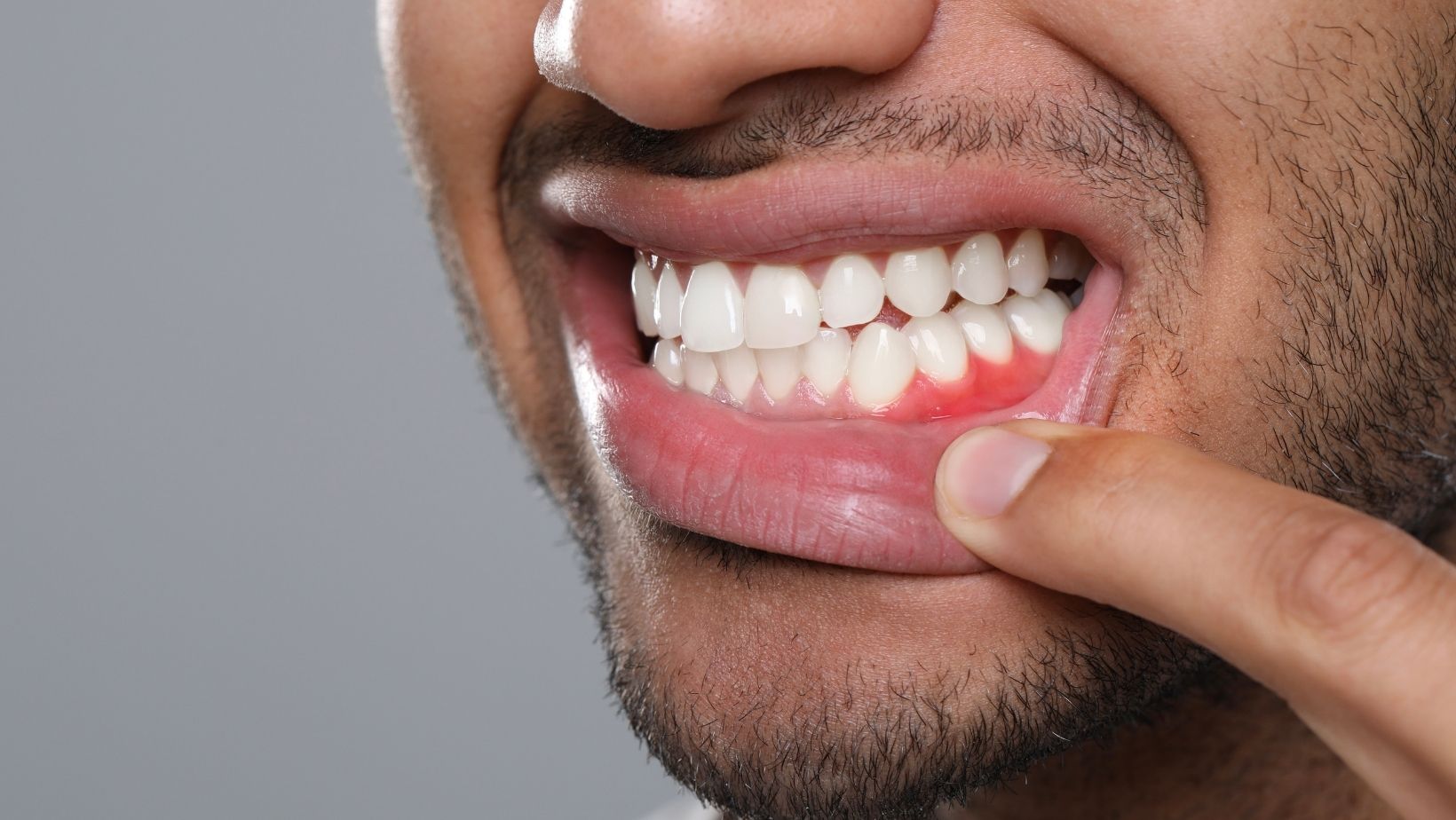
Occasional bleeding while brushing is often dismissed as normal, but it usually indicates inflammation in the gums.
The most common cause is plaque buildup. When plaque collects along the gum line, bacteria irritate the surrounding tissue. The body responds with inflammation, which makes gums more sensitive and prone to bleeding.
Early-stage gum disease, known as gingivitis, often includes symptoms such as:
- Red or swollen gums
- Bleeding when brushing or flossing
- Tenderness along the gum line
- Persistent bad breath
The encouraging news is that gingivitis is typically reversible when addressed early. Consistent brushing, flossing, and professional dental cleanings can often restore healthy gum tissue.
Receding Gums May Indicate Long-Term Stress on Teeth
If teeth appear longer than they used to, gum recession may be occurring.
Gum recession happens when the tissue that surrounds the teeth gradually pulls back. This exposes more of the tooth and sometimes even the root surface.
Common contributing factors include:
- Aggressive brushing
- Long-term plaque buildup
- Teeth grinding or clenching
- Misaligned bite patterns
Receding gums can increase tooth sensitivity and raise the risk of decay along exposed root surfaces. Addressing the underlying cause early can help slow or prevent further damage.
Persistent Bad Breath Can Reflect Gum Infection
Bad breath is often associated with food choices or temporary dryness in the mouth. However, when bad breath becomes persistent, it may indicate bacteria accumulating below the gum line.
These bacteria produce compounds that create unpleasant odours. In more advanced cases, they can lead to deeper infections within the gums.
Signs that gum infection may be developing include:
- Ongoing bad breath that does not improve with brushing
- A sour or metallic taste in the mouth
- Swollen or tender gums
- Pus or discharge near the gum line
Professional dental care is usually needed to remove bacteria beneath the surface and allow the gums to heal properly.
Gum Health and Overall Body Health
Research increasingly shows that gum health is closely connected to other areas of the body.
Chronic gum inflammation has been associated with several broader health concerns, including:
- Cardiovascular conditions
- Diabetes complications
- Respiratory infections
- Certain pregnancy complications
The connection exists because inflammation in the gums allows bacteria to enter the bloodstream. Once there, these bacteria may contribute to inflammatory responses in other parts of the body.
Maintaining healthy gums, therefore supports not only oral health but general health as well.
Lifestyle Habits That Affect Gum Health
Several everyday habits play a significant role in the condition of your gums.
Some of the most influential factors include:
Oral Hygiene Routine
Brushing twice daily and flossing regularly helps remove plaque before it irritates gum tissue.
Diet Choices
Frequent sugary snacks and drinks encourage bacterial growth, increasing the risk of plaque buildup and gum irritation.
Smoking or Tobacco Use
Tobacco use reduces blood flow to gum tissue and weakens the body’s ability to fight infection. This greatly increases the risk of gum disease.
Stress
Chronic stress can affect the immune system, making it harder for the body to control inflammation and bacterial infections in the gums.
Small improvements in these areas can significantly strengthen gum health over time.
When to Seek Professional Advice
Many gum-related problems develop slowly, which is why they are easy to overlook in the early stages.
It may be time to consult a dental professional if you notice:
- Bleeding during brushing or flossing
- Gum tenderness or swelling
- Persistent bad breath
- Receding gum lines
- Loose teeth
Early evaluation allows dental professionals to identify the underlying cause and recommend appropriate care before the issue progresses.
Listening to the Signals Your Body Sends
Your gums are not just passive tissue surrounding your teeth. They act as an important indicator of what is happening within your body.
Subtle changes in colour, texture, or sensitivity can provide early clues that something needs attention. By paying attention to these signals and maintaining consistent oral care habits, you can often prevent small issues from developing into larger health concerns.
Healthy gums support strong teeth, fresh breath, and a healthier body overall. When you learn to recognise what your gums may be trying to tell you, you gain valuable insight into maintaining long-term wellbeing.