
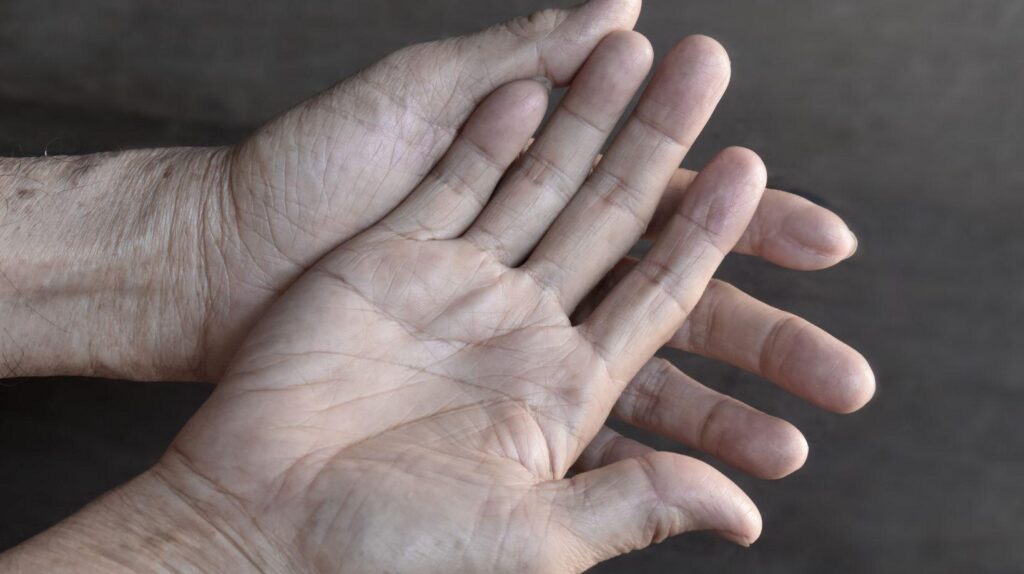
Our hands are involved in almost everything we do, from typing and cooking to driving and carrying groceries. Because we rely on them so heavily, it’s easy to dismiss minor discomfort as something that will disappear on its own. However, small changes in hand function can sometimes be the first sign of an underlying condition that benefits from early assessment.
Many people begin researching treatment options, including hand surgery Perth, only after pain or limited movement starts interfering with everyday tasks. In reality, recognising early warning signs and seeking professional advice sooner can improve treatment outcomes and help prevent long-term complications.
Not every ache or stiffness points to a serious problem, but symptoms that persist, worsen, or repeatedly return deserve attention. Understanding what to look for allows you to make informed decisions about your hand health before minor issues become more difficult to manage.
Persistent Pain That Doesn’t Improve
Occasional soreness after a busy day is common, particularly if you’ve been using your hands more than usual. However, pain that continues for several weeks or keeps returning without a clear cause shouldn’t be ignored.
Persistent discomfort may be linked to conditions affecting the joints, tendons, nerves, or ligaments. Early evaluation can help identify the source of the problem and guide appropriate treatment before symptoms become more severe.
Numbness and Tingling
Pins and needles in the fingers can happen temporarily if you’ve slept in an awkward position, but ongoing numbness or tingling is different. These sensations may indicate that a nerve is being compressed or irritated.
Common warning signs include:
- Tingling in the thumb, index, or middle fingers
- Numbness that wakes you during the night
- Reduced feeling when holding objects
- A sensation similar to an electric shock
Ignoring these symptoms may allow nerve irritation to worsen over time, making recovery more challenging.
Weakness or Loss of Grip Strength
Have you started dropping objects unexpectedly or struggling to open jars? A gradual loss of grip strength can affect everyday activities and may point to problems involving muscles, tendons, or nerves.
Weakness is often subtle at first, which is why many people adapt without realising their hand function has changed. If tasks that once felt simple are becoming more difficult, it’s worth discussing these changes with a healthcare professional.
Swelling and Stiffness
Swelling that doesn’t settle after a minor injury may indicate inflammation within the joints or surrounding tissues. Morning stiffness that improves throughout the day can also be an early sign of certain joint conditions.
Pay attention if you notice:
- Fingers feeling swollen without obvious injury
- Difficulty bending or straightening the fingers
- Stiffness lasting longer than a few minutes after waking
- Reduced flexibility during everyday tasks
Monitoring when these symptoms occur can help your healthcare provider identify possible causes.
Clicking or Locking Fingers
Some people notice a clicking sensation when bending or straightening a finger. In more advanced cases, a finger may temporarily lock in a bent position before suddenly releasing.
Although this may seem like a minor inconvenience, persistent locking or discomfort often benefits from early treatment. Addressing the issue promptly may reduce the need for more invasive interventions later.
Visible Changes in the Hand
Changes in appearance can sometimes provide valuable clues about underlying problems. Look for differences such as lumps, unusual swelling, finger deformities, or changes in skin colour.
While not every visible change is serious, any new or unexplained alteration that persists should be assessed, particularly if it’s accompanied by pain or reduced movement.
Don’t Ignore Everyday Limitations
One of the clearest signs that a hand problem deserves attention is when it begins affecting your daily routine. If writing, using tools, buttoning clothing, or preparing meals becomes uncomfortable or difficult, your hands are telling you something.
Seeking advice early often opens the door to a wider range of treatment options, including exercises, splints, medication, or other therapies that may prevent symptoms from progressing.
Healthy hands play a vital role in maintaining independence and enjoying everyday activities. By recognising early warning signs and responding before symptoms become severe, you can protect hand function and improve your chances of a successful recovery. Paying attention to small changes today may help you avoid larger problems in the future.