
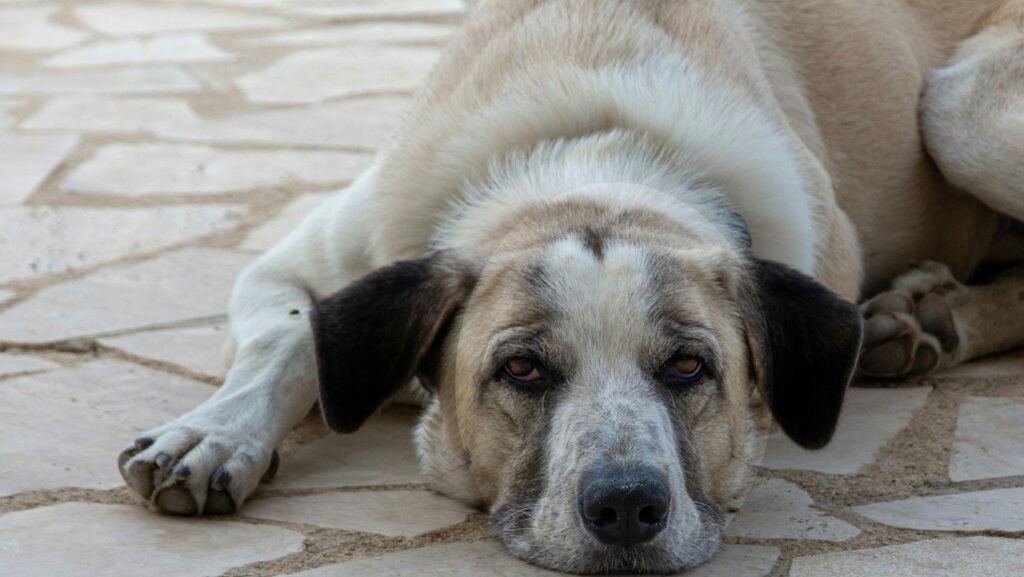
Your dog has been running around the garden on a warm afternoon. They’re panting heavily, which seems normal after exercise. But then you notice they’re struggling to settle down, their breathing sounds unusually rapid, and they appear unsteady on their feet. Could they simply be tired, or is something more serious happening?
Dogs can develop heatstroke when their bodies become dangerously overheated. Unlike humans, they rely heavily on panting to regulate their temperature, which can become ineffective in hot or humid conditions. Without prompt action, overheating can damage vital organs and become life-threatening.
Recognising the warning signs early is essential. If you suspect heatstroke, begin cooling your dog immediately and arrange urgent veterinary care. Whether you’re contacting your usual clinic or searching for an emergency vet Maroubra, don’t delay treatment while waiting for symptoms to improve.
Why Dogs Are Vulnerable to Heatstroke
Dogs regulate their body temperature differently from humans.
Although they can lose some heat through their paw pads, panting is one of their primary cooling mechanisms.
When the surrounding air is particularly hot or humid, panting may become less effective.
Heatstroke can develop during strenuous exercise, while travelling or when a dog is left somewhere with inadequate ventilation.
Certain dogs face greater risks, including older animals, overweight dogs and breeds with short, flattened faces.
However, any dog can develop heatstroke under the wrong conditions.
Recognise the Early Warning Signs
Excessive panting is often one of the first noticeable signs that a dog is struggling with heat.
Panting after exercise is normal, but unusually intense or persistent panting deserves attention, particularly when accompanied by changes in behaviour.
Other warning signs include:
- Heavy, rapid breathing that doesn’t settle.
- Excessive drooling or thick saliva.
- Restlessness or difficulty finding a comfortable position.
- Unusual tiredness or weakness.
- Bright red gums or changes in gum colour.
- Vomiting or diarrhoea.
These symptoms can indicate serious overheating and shouldn’t be ignored.
Move your dog away from the heat immediately and begin appropriate cooling measures.
Know When Heatstroke Becomes an Emergency
Severe heatstroke can affect the brain, circulation and internal organs.
A dog experiencing advanced heatstroke may become confused, stumble, collapse or develop seizures.
They may also become unresponsive or have difficulty breathing.
These are medical emergencies requiring immediate veterinary treatment.
However, you shouldn’t wait for these severe symptoms before taking action.
If your dog appears significantly overheated and unwell, begin cooling and seek urgent veterinary assistance straight away.
What to Do If You Suspect Heatstroke
The first priority is to lower your dog’s body temperature safely while arranging veterinary care.
Move them into a shaded or air-conditioned area and stop all exercise.
Begin applying cool tap water to their body, avoiding the nose and mouth, and use a fan to encourage evaporation.
For most dogs, cool water combined with airflow is an effective first-aid approach.
Avoid covering the dog with wet towels, as these can restrict heat loss if left in place.
If your dog is alert and able to swallow normally, offer small amounts of drinking water without forcing them.
Contact an emergency veterinary clinic and arrange transport as soon as possible.
Even if your dog appears to recover, veterinary assessment remains important because internal complications can develop after the initial overheating episode.
Never Leave Your Dog in a Parked Vehicle
One of the most dangerous situations for dogs is being left inside a parked car.
Vehicle interiors can heat up rapidly, even when the outside temperature doesn’t seem particularly extreme.
Opening the windows slightly doesn’t provide reliable protection.
Never leave your dog unattended in a parked vehicle during warm weather.
If you’re travelling with your pet, plan stops carefully and ensure they have access to suitable ventilation and drinking water.
Prevent Overheating During Exercise
Dogs still need regular physical activity, but exercise routines should account for weather conditions.
On hot days, schedule walks during cooler morning or evening periods.
Avoid strenuous exercise when temperatures or humidity are high.
Check pavement surfaces before walking, as hot ground can also burn paw pads.
Provide frequent access to fresh water and shaded resting areas.
If your dog begins panting unusually heavily or appears reluctant to continue, stop the activity and move somewhere cooler.
Act Early Rather Than Waiting
Heatstroke can progress quickly, making early recognition and immediate cooling extremely important.
Pay attention to changes in breathing, energy levels and behaviour, particularly during warm weather or after exercise.
If your dog shows signs of significant overheating, start cooling them and seek emergency veterinary care.
Preventing heatstroke is always preferable to treating it. By adjusting exercise routines, providing shade and water, and avoiding dangerous environments, you can help your dog stay comfortable and safe when temperatures rise.