
A healthy smile isn’t built during the occasional dental appointment—it’s shaped by the small choices you make every day. While brushing and flossing are essential, many people overlook other habits that have a lasting impact on their teeth and gums.
The good news is that improving your oral health doesn’t require a complete lifestyle overhaul. A handful of consistent, practical habits can help reduce your risk of cavities, gum disease, and other common dental problems while keeping your smile looking and feeling its best.
If you’re unsure whether your current routine is working, speaking with a dentist Chatswood can provide personalised advice based on your oral health needs. Even a few small adjustments can make a noticeable difference over time.
1. Brush the Right Way, Not Just Twice a Day
Most people know they should brush twice daily, but technique matters just as much as frequency.
For the best results:
- Brush for at least two minutes.
- Use a soft-bristled toothbrush.
- Hold the brush at a gentle angle towards the gumline.
- Replace your toothbrush every three to four months, or sooner if the bristles become worn.
Brushing too aggressively can wear down enamel and irritate your gums, so gentle, thorough cleaning is always the better approach.
2. Don’t Skip Flossing
Your toothbrush can’t reach every surface of your teeth. Flossing removes food particles and plaque from between teeth, helping prevent decay and gum inflammation.
If traditional floss feels difficult to use, consider floss picks or a water flosser. The best option is the one you’ll use consistently.
3. Drink More Water Throughout the Day
Water does more than keep you hydrated. It helps rinse away food debris, neutralises acids produced by bacteria, and supports healthy saliva production.
Saliva plays an important role in protecting your teeth by washing away bacteria and supplying minerals that help strengthen enamel.
Choosing water instead of sugary drinks is one of the simplest ways to support better oral health.
4. Be Mindful of Frequent Snacking
It’s not only what you eat that matters—it’s how often you eat.
Every time you consume sugary or starchy foods, bacteria in your mouth produce acids that attack tooth enamel. Frequent snacking means your teeth spend more time exposed to these acids.
When possible:
- Limit grazing throughout the day.
- Choose snacks like cheese, yoghurt, nuts, or crunchy vegetables.
- Rinse with water after eating if you can’t brush your teeth.
5. Clean Your Tongue
Your tongue can harbour bacteria that contribute to bad breath and plaque build-up.
Using a tongue scraper or gently brushing your tongue each day only takes a few seconds but can leave your mouth feeling noticeably fresher while supporting overall oral hygiene.
6. Protect Your Teeth from Everyday Damage
Many people damage their teeth without realising it.
Common habits to avoid include:
- Using your teeth to open packaging.
- Chewing ice.
- Biting fingernails.
- Clenching or grinding your teeth during stress.
If you wake up with jaw soreness or headaches, speak to your dentist, as nighttime grinding may be affecting your teeth.
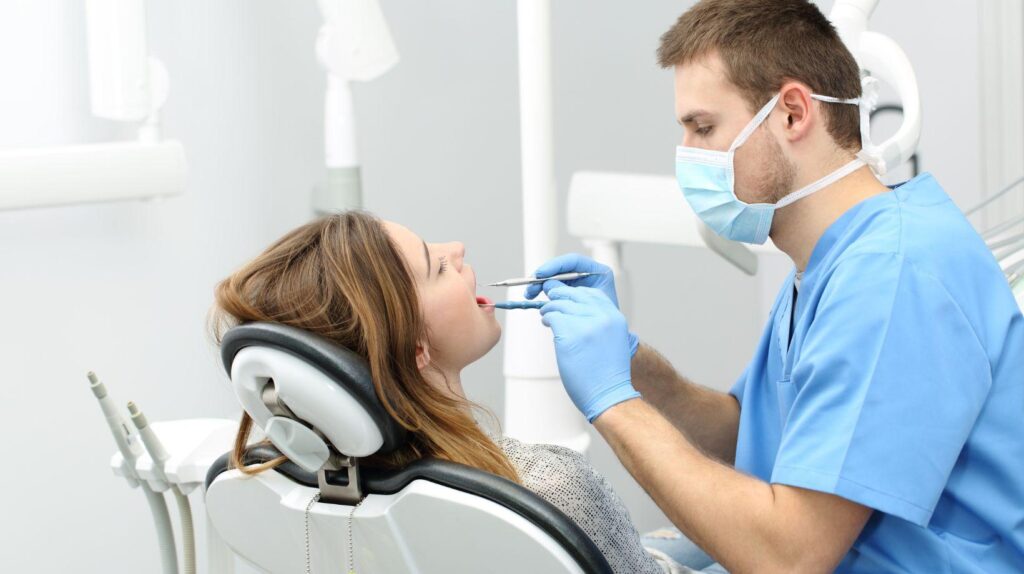
7. Keep Up with Regular Dental Visits
Even an excellent home routine can’t replace professional dental care.
Routine check-ups allow your dentist to:
- Remove hardened plaque that brushing can’t eliminate.
- Detect cavities early.
- Monitor gum health.
- Identify potential concerns before they become more complex.
Preventive care often means simpler, less invasive treatment if problems do arise.
Healthy teeth aren’t the result of one perfect day—they’re built through consistent habits repeated over time. By brushing carefully, flossing daily, staying hydrated, making smart food choices, and attending regular dental appointments, you give your teeth and gums the best chance of staying healthy for years to come.
Small improvements made today can have a lasting impact, helping you maintain not only a confident smile but also better overall health.