
Most oral health problems don’t appear overnight. They build slowly, often without obvious symptoms, until they become uncomfortable, expensive, or difficult to treat.
That’s what makes prevention so important. Staying ahead of oral health issues isn’t about doing anything extreme. It’s about consistent habits, early action, and knowing what to look for before small problems turn into bigger ones.
Many people only visit a dentist Liverpool provider when something goes wrong, but the real advantage comes from catching issues early, when they’re easier to manage and less disruptive.
Understand How Problems Develop
Issues often start quietly
Tooth decay, gum disease, and enamel wear usually begin without pain. By the time discomfort appears, the problem has often progressed.
Early warning signs can include:
-
Slight sensitivity to hot or cold
-
Bleeding gums when brushing
-
Persistent bad breath
These may seem minor, but they’re worth paying attention to.
Small habits have a big impact
Daily routines shape long-term oral health. Skipping basics occasionally might not seem like a problem, but over time, it adds up.
Consistency is what makes the difference.
Build a Simple, Effective Routine
Focus on the essentials
You don’t need a complicated routine to protect your teeth and gums. The basics, done properly, go a long way.
This includes:
-
Brushing twice a day with proper technique
-
Flossing or cleaning between teeth daily
-
Using a fluoride toothpaste
Make it sustainable
The best routine is one you can stick to. It should feel manageable, not overwhelming.
If it’s too complex, it’s harder to maintain long term.
Don’t Ignore Early Signs
Address issues while they’re small
It’s easy to put off dealing with minor discomfort, but early action can prevent more serious problems.
For example:
-
Sensitivity could indicate enamel wear or early decay
-
Gum bleeding might be an early stage of gum disease
Catching these early often means simpler treatment.
Avoid the “wait and see” approach
Waiting for symptoms to worsen usually leads to more invasive and costly solutions.
A proactive mindset is far more effective.
Be Mindful of Your Diet
What you eat affects your teeth
Food and drinks play a major role in oral health. Sugary and acidic items can weaken enamel and contribute to decay.
Try to:
-
Limit frequent snacking on sugary foods
-
Rinse your mouth with water after acidic drinks
-
Balance your diet with tooth-friendly options
Timing matters too
Frequent exposure to sugar is more damaging than the amount consumed in one sitting.
Spacing out meals and snacks can reduce the impact.
Keep Up With Regular Check-Ups
Prevention is easier than treatment
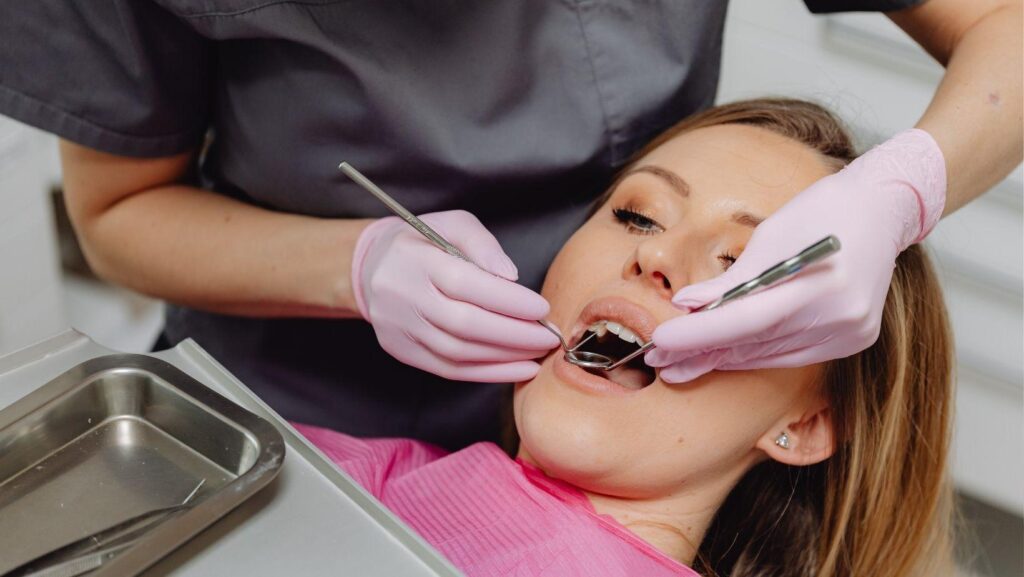
Routine dental visits allow professionals to spot issues you might not notice yourself.
They can:
-
Identify early signs of decay or gum disease
-
Provide professional cleaning
-
Offer personalised advice based on your situation
Make it part of your schedule
Treat dental visits like any other important appointment. Regular check-ups reduce the chance of unexpected problems.
Protect Your Teeth in Everyday Situations
Be aware of hidden risks
Daily habits can sometimes cause unintentional damage.
Common examples include:
-
Grinding your teeth, especially during sleep
-
Using teeth to open packaging
-
Brushing too aggressively
Make small adjustments
Simple changes, like using a softer toothbrush or wearing a night guard if needed, can protect your teeth over time.
Stay Consistent, Not Perfect
Progress matters more than perfection
You don’t need to get everything right every day. What matters is maintaining good habits most of the time.
Missing a step occasionally won’t undo your progress, but consistent neglect can lead to issues.
Focus on long-term habits
Oral health is cumulative. The effort you put in today affects how your teeth and gums hold up in the future.
Taking Control of Your Oral Health
Staying ahead of oral health issues comes down to awareness and consistency. When you understand how problems develop and take small steps to prevent them, you reduce the likelihood of major complications.
It’s a simple shift in approach. Instead of reacting to problems, you stay one step ahead of them. Over time, that not only protects your teeth but also saves you time, money, and unnecessary stress.